3 reasons to hire an interior designer before engaging a general contractor
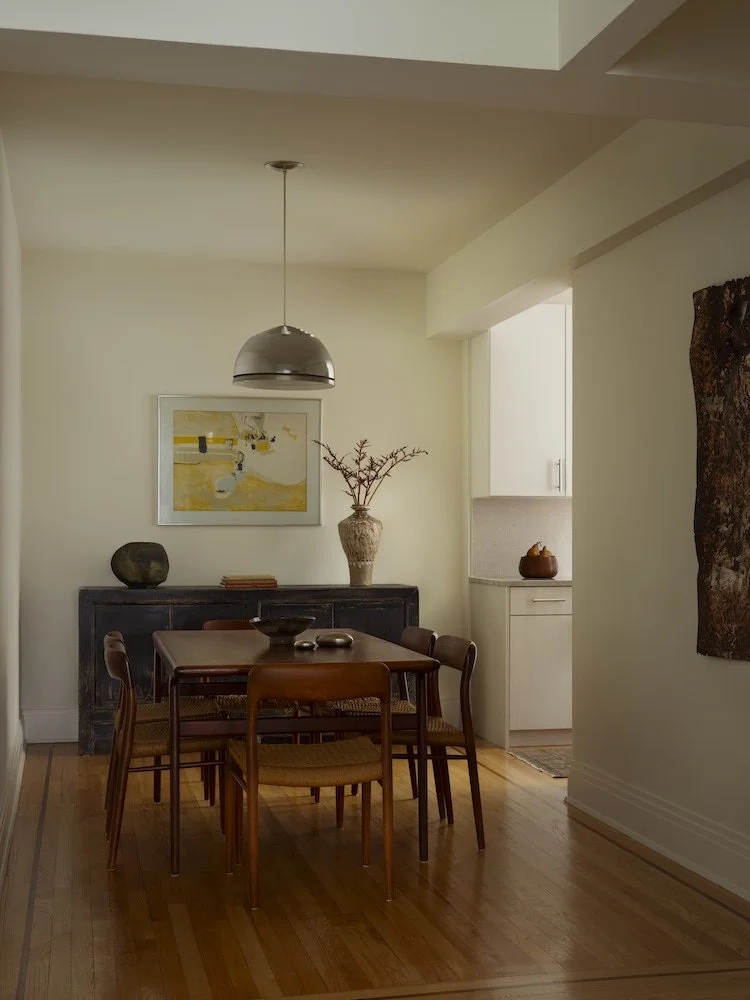
Design: Time & Place Interiors / Photo: Gloria Kilbourne
As a New York interior designer, I speak to a good amount of prospective apartment renovators. And a move that I often see clients making is bringing the contractor in before engaging a designer so she can specify finishes. In truth, that’s putting the cart before the horse.
Yes, you do need to know what kind of cost you’re going to face with your design project. And a skilled, trustworthy GC is critical to carrying out a renovation.
But your budget, design plans, and project process can be thwarted when the right professionals aren’t brought in at the optimal time.
Read on for three reasons why engaging an interior designer is your best first step for a renovation project, and the problems that arise when the proper scope, material investments, and roles aren’t identified from the beginning.
- Ksenya, founder of Time & Place Interiors
1. The design intent informs the project scope

Styling & photo: Time & Place Interiors
A good general contractor is priceless — I constantly turn to my trusty GCs for their guidance.
But an interior designer usually has a deeper mandate to create a cohesive, coordinated home. The designer will plan around your lifestyle, considering how you want to use your space and feel in it. She’ll care about your wellness: healthy air quality, personal ergonomics, neuroaestherics, biophilia.
Needless to say, the designer will also have a perspective on style based on your aesthetics, solid design principals, and the architectural setting. She can advise on what makes sense to preserve vs replace, what kinds of upgrades would elevate the look, and how to think through flow.
These factors determine the design intent, something that needs to be uncovered before racing to get a GC quote. Once there’s a clear direction for how the space should ultimately look and function, then a GC should be brought in to assess feasibility and price out the proper scope of work.
Case in point: The clients of this bathroom almost brought in a contractor to rip out their cast iron tub & built-in hamper. I recommended preserving and reglazing the shapely Art Deco tub, stripping the hamper down to its original metal, replacing the remaining elements, and painting the ceiling black for dramatic effect. I connected them to my GC, and now they’re thrilled with how sharp their historic renovation came out.
2. Poor planning leads to costly change orders and budget overruns

Design: Time & Place Interiors / Photo: Gloria Kilbourne
General contractors often give “allowances” for materials like flooring, tile, countertops, millwork, appliances. While it can ultimately be useful to have a budget to work within, if a GC quotes finish levels that are misaligned with the client’s expectations, the budget forecasts will be inaccurate.
For instance, the GC might quote Home Depot ceramic tile at $10/sq foot, while you’re set on the elevated look of an Italian marble basketweave priced at $30. Or he may include painting the full unit, but you loved your designer’s idea of wallpapering the bedroom in a luxurious textured paper.
Suddenly, your project “budget” is way off the mark, and the contractor is billing you for change orders.
To avoid budget overruns, I offer my clients to engage in an initial Exploratory design phase:
I create a rough design concept and help my client identify the project scope.
Then I work on obtaining appropriate level finish pricing from kitchen millworkers, window treatment fabricators, flooring and tile vendors, doorware manufacturers, closet designers. AND I get labor-only quotes from GCs based on the design intent and scope.
Finally, I present to my client their full wish list, itemized by material and labor, showing what kind of investment their project would require. Now they can make an informed decision on moving forward with the full list, or cutting back on scope.
The Exploratory phase is a clear, objective way to plan for a renovation. It avoids scope creep and reduces miscommunication. And engaging an interior designer first is the way to make that happen.
3. It’s your interior designer who will be your project manager
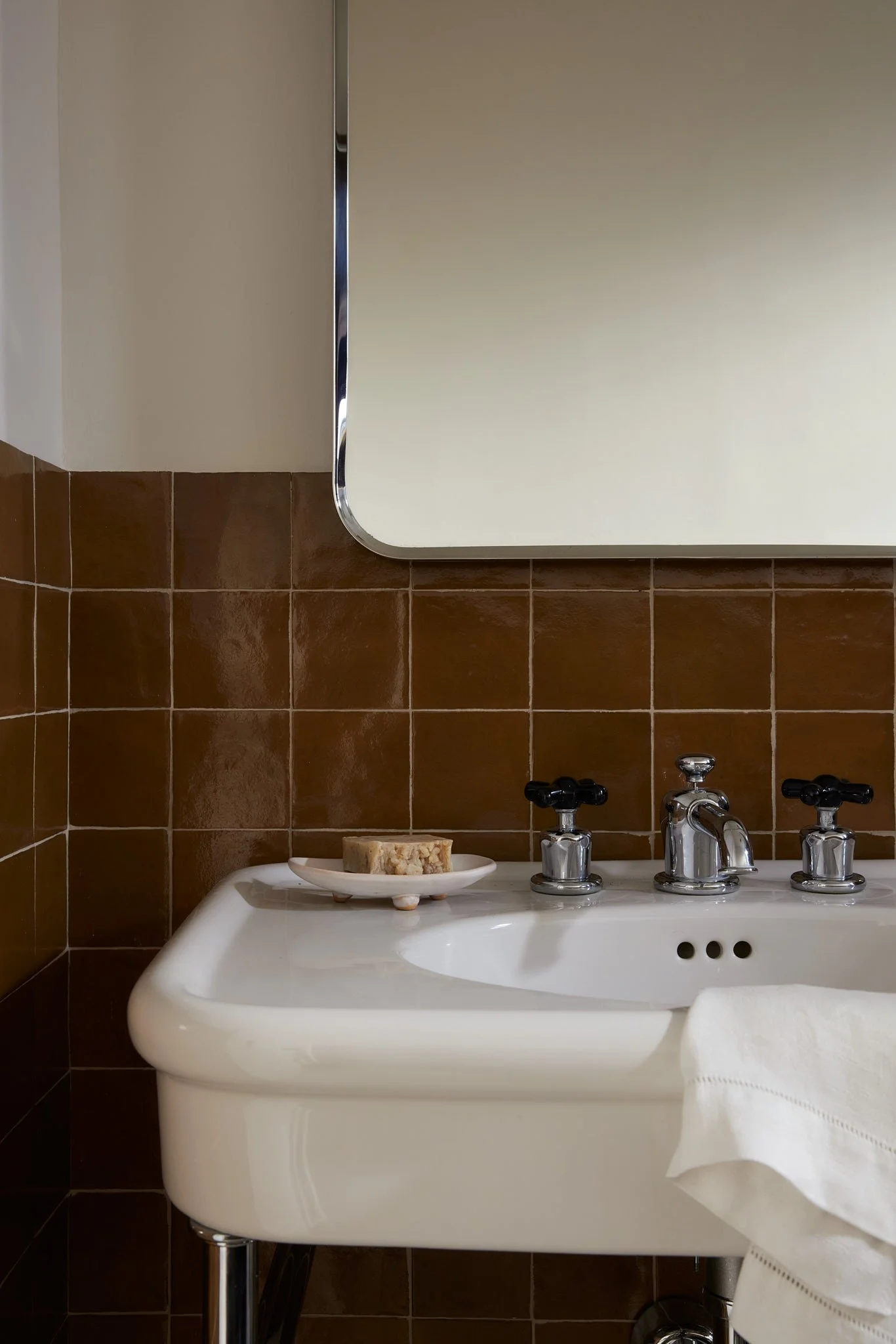
Design: Time & Place Interiors / Photo: Gloria Kilbourne
Interior designers are project managers, problem solvers, logistics coordinators… and sometimes even therapists (been there!).
In a renovation, the interior designer takes on a leadership role. She schedules around the homeowner’s personal needs, makes arrangements with building managers, ensures installations are handled according to the design scheme, and serves as the face of accountability between the client and everyone else involved in the job.
I always bring at least two — sometimes three — general contractors to bid on a project, allowing my clients to share their preference, as they ultimately will be in contract directly with the GC. But the existing relationship between the designer and contractor is critical to the project running smoothly.
When the designer introduces the general contractor (or any other Trade) to the job, not only are they vetted, but there’s also an existing professional structure. There should be a clear understanding of roles — namely, that the designer specifies, and the GC executes based on her plans.
Plus: the Trades are beholden to the designer to do right by you — the client — as they’re incentivized by referrals from the designer for future work.
In contrast, when you hire your own contractor and only later bring on an interior designer, then the designer’s guidance may be overlooked or disregarded. Not out of mistrust or bad rapport, but because the workflow, delineation of responsibilities, and sense of leadership is lacking. The effect is a project that can easily run off the rails.
Turnkey interior design with professional execution
Time & Place Interiors offers residential interior design services for discerning New Yorkers who seek both a beautiful space and personalized service. Founder Ksenya Malina brings her blended background in art and business to manage projects that are not only designed creatively but also run efficiently. Use the link below to inquire about design possibilities for your new space: