5 interior design resolutions for healthy living
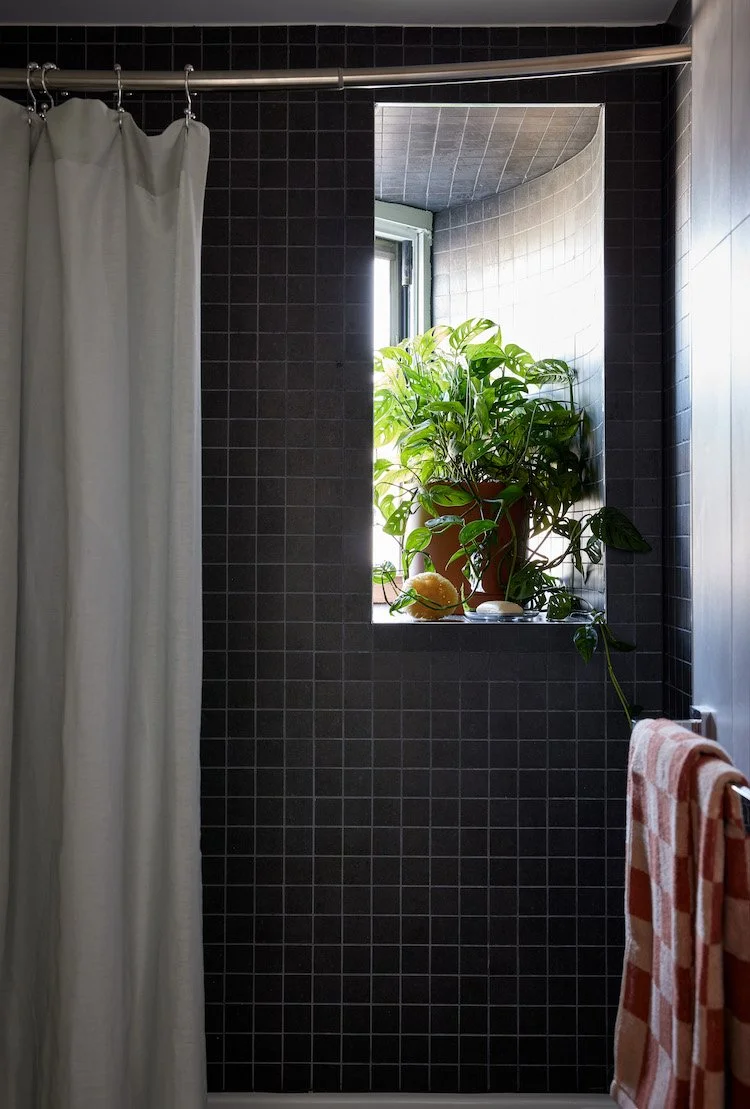
Design: Time & Place Interiors / Photo: Gloria Kilbourne
Each year, you might be making healthy lifestyle goals for yourself: exercise, nutrition, meditation... From an interior designer perspective, I encourage adding a healthy home resolution into the mix, too.
We spend 90% of our time indoors, so good air quality, ergonomic support, and avoidance of toxins are critical. As a certified WELL AP through the International WELL Building Institute, I know the effects these make on our health.
Less often discussed is that interior design also has physiological impacts on our wellness. A well designed space lowers our bodies’ cortisol levels, nurturing personal feelings of calm, inner strength, independence, and creativity. So there’s actually strong reason to invest in nice things!
The good news is that, unlike diets, these wellness-oriented interior design resolutions are less focused on elimination and more about indulging in quality. Think of them as treating yourself to living well. Your mind and body deserve it.
- Ksenya, founder of Time & Place Interiors
Choose natural fibers
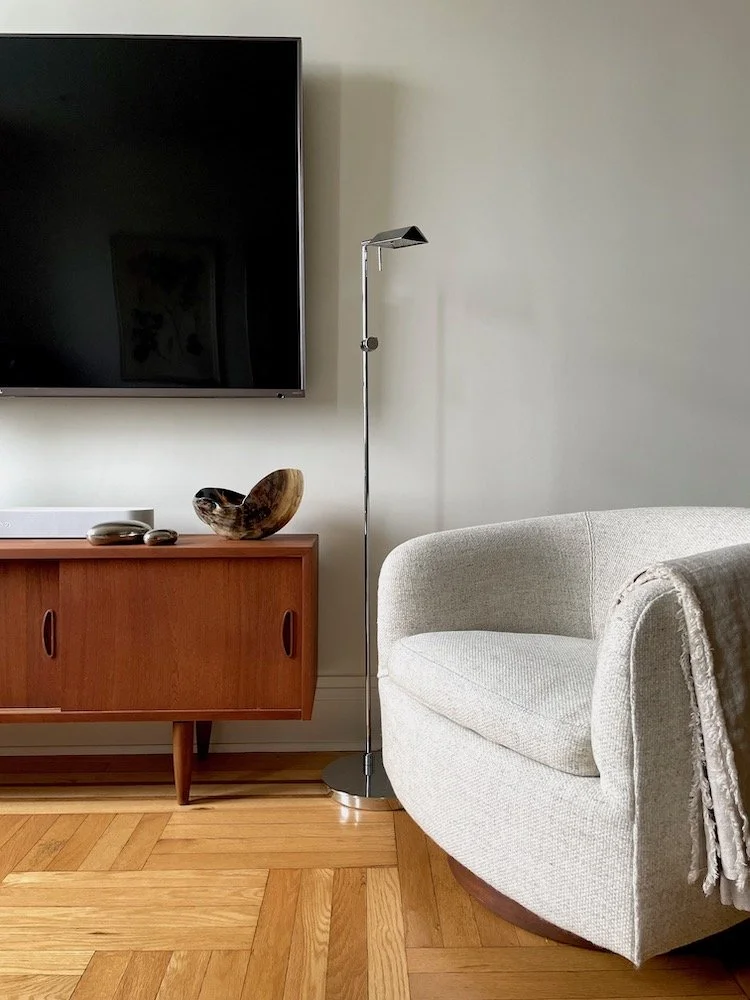
Design / Photo: Time & Place Interiors
Similar to how whole nutrient foods are essential for your health, natural fibers in furniture are also better for your body. Materials like wool, linen, alpaca, cotton, and silk don’t emit harmful volatile organic compounds (VOCs) that disrupt your body’s respiratory and endocrine processes. They also feel more luxurious.
Performance fabrics may sound tempting — I get it. Unfortunately, they’re often treated with PFAS (Per- and Polyfluoroalkyl Substances), “forever chemicals” whose exposure can lead to reproductive, developmental, and immunity risks, as well as cancers. And, in truth, the treatment wears off within a year or two, leaving them vulnerable to stains anyway.
Sturdy fabrics include mohair or wool, which has natural stain-deflecting properties, particularly in a darker color or in a textured weave that will conceal stains without compromising your health.
2. Practice mindful consumption

Design / Photo: Time & Place Interiors
It’s easy to click Buy-It-Now and furnish your home instantly. The repercussions of “fast furniture” are costly, though. Not only does mass production deplete natural resources, it’s also led to an alarming trend of overrated home products.
You’ve probably experienced disappointment when an online furniture purchase arrived looking different than its photo: that’s probably because the image had been doctored to conceal its poor finishing. Particleboard furniture can’t be repaired once it breaks down, and cheap seating isn’t worth the high cost of reupholstery… which all leads to a frustrating cycle of having an unfinished space and creating cumbersome waste.
To achieve a more lasting connection to your home, elevate your expectations. Enduring quality designs aren’t meant to be sourced without a decent level of investment and, possibly, a longer production lead time. But the payoff is worth it.
3. Pare it down
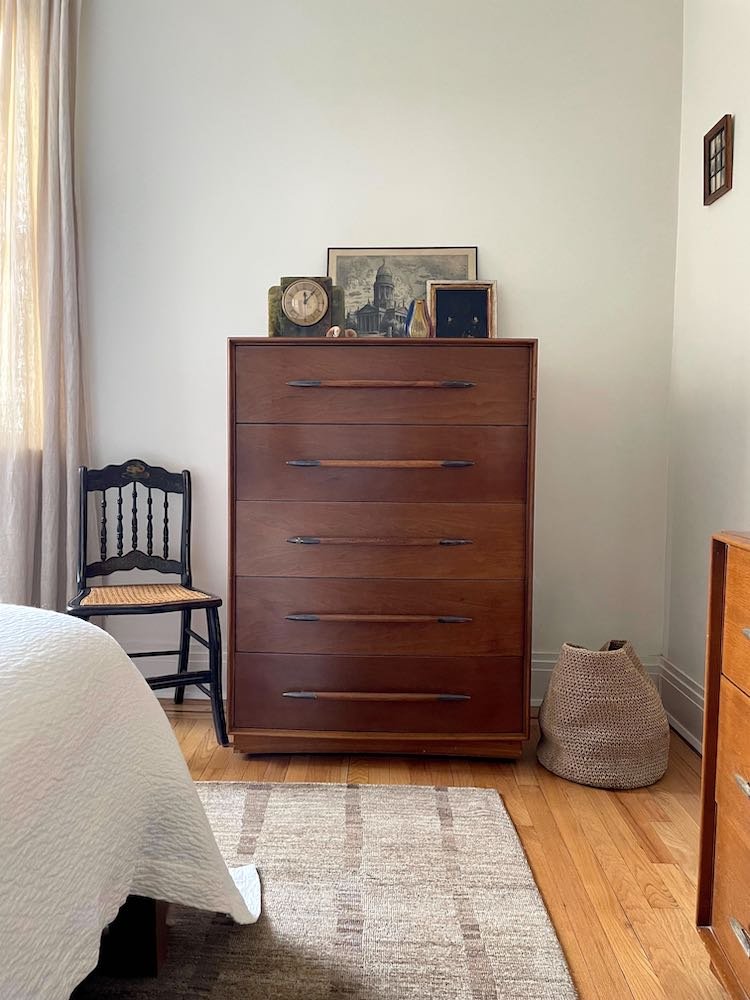
Design / Photo: Time & Place Interiors
Visual clutter can induce stress. If tackling your stuff feels daunting, try bringing in an experienced home organizer.
Especially in small spaces where household items are often on display, emphasizing considered design through everyday objects is important. Think of how Europeans live: even their most utilitarian housewares invite not only function but also appealing aesthetics.
Consider kitchen items like your espresso maker: is it a permanent eyesore on your countertop, or does it look sleek? Could you upgrade your basic laundry hamper to a large handwoven African basket? For dinners — takeout included — why not break out linen napkins (with casual, no-fuss wrinkles) in place of paper towels?
4. Bring nature inside
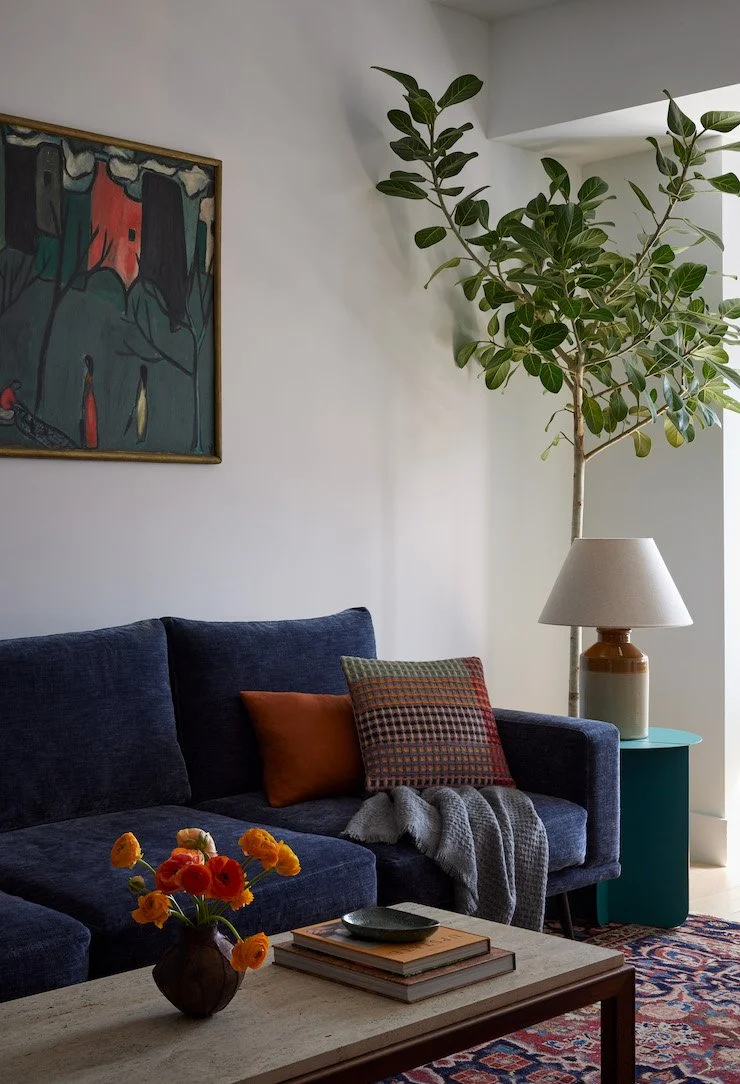
Design: Time & Place Interiors / Photo: Gloria Kilbourne
You know that invigorating feeling after you’ve spent time outside in sunlight and fresh air? It stems from humans’ innate draw to nature. That sensation can be reproduced in your home too. Research showing the benefits of biophilic design, which encourages the integration of nature in interiors, is plentiful: it supports cognitive function, physical health, and relaxation.
Summon harmony and tranquility in your interior design scheme by leaning into nature’s subtle patterns: real wood furniture of mixed tones, organic accents like a large carved onyx bowl, or a shapely branch inserted into a ceramic vessel. I’m a big fan of indoor trees too.
5. Indulge in your space
Design / Photo: Time & Place Interiors
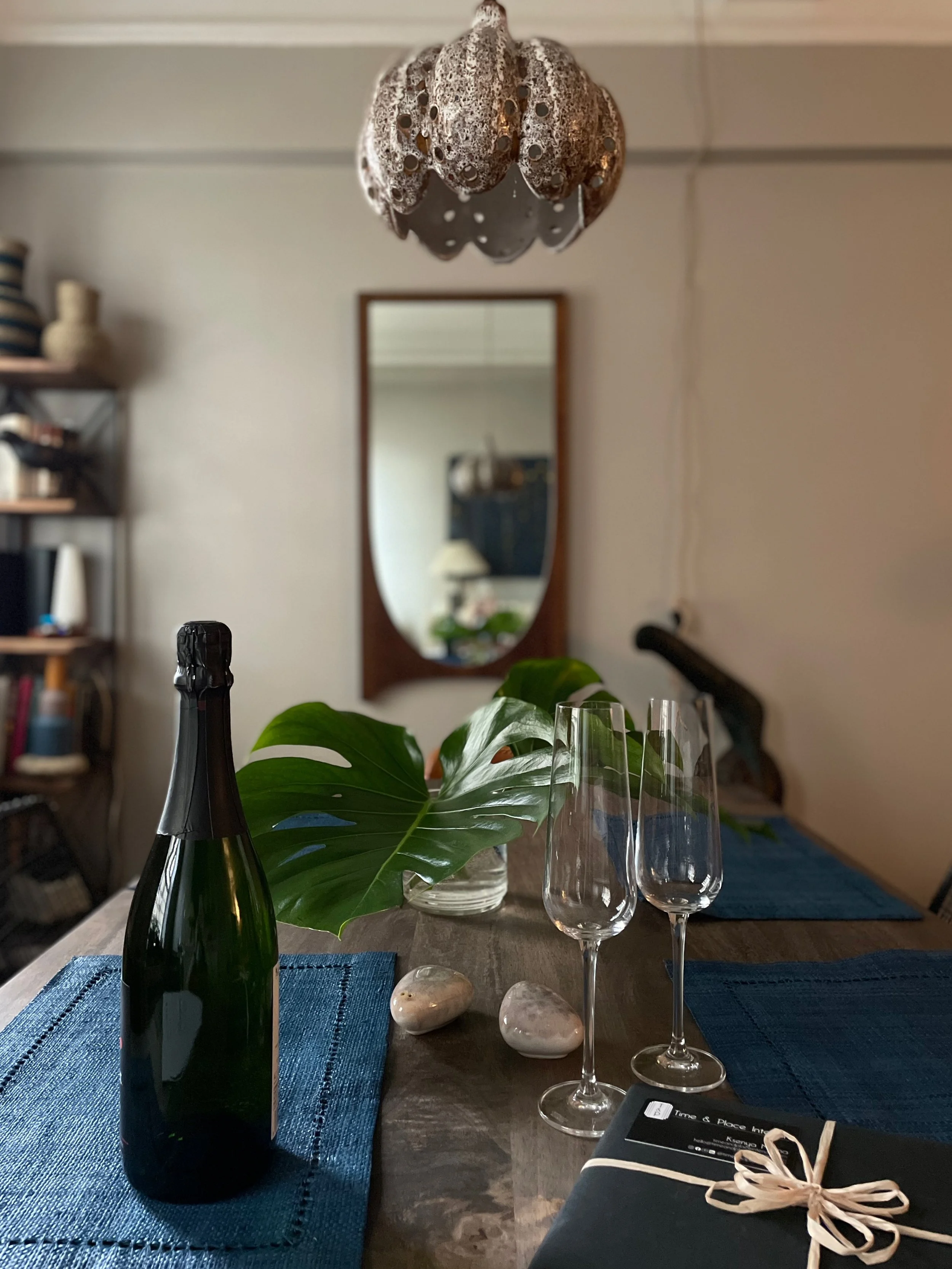
Crafting a nurturing home environment gives us the literal space to decompress, preparing our bodies and minds to energetically navigate both our individual stressors as well as broader issues that impact our world.
So, go ahead and burn the luxury candle (made with non-toxic soy or beeswax), pour yourself a good whiskey in a hand cut crystal tumbler, and settle into the custom-upholstered chaise lounge in your sleek reading nook to take a load off.
A luxurious interior oasis will cradle and nurture you, and I promise you’ll feel the results on your physical and mental wellbeing.
A luxurious home, personalized for you
Time & Place Interiors offers residential interior design services for New Yorkers seeking a highly curated, luxurious space to call their own. Through her access to cutting edge contemporary and vintage designs, founder Ksenya Malina opens doors for her clients to enjoy living with style. Use the button below to connect with us about your interior design goals: